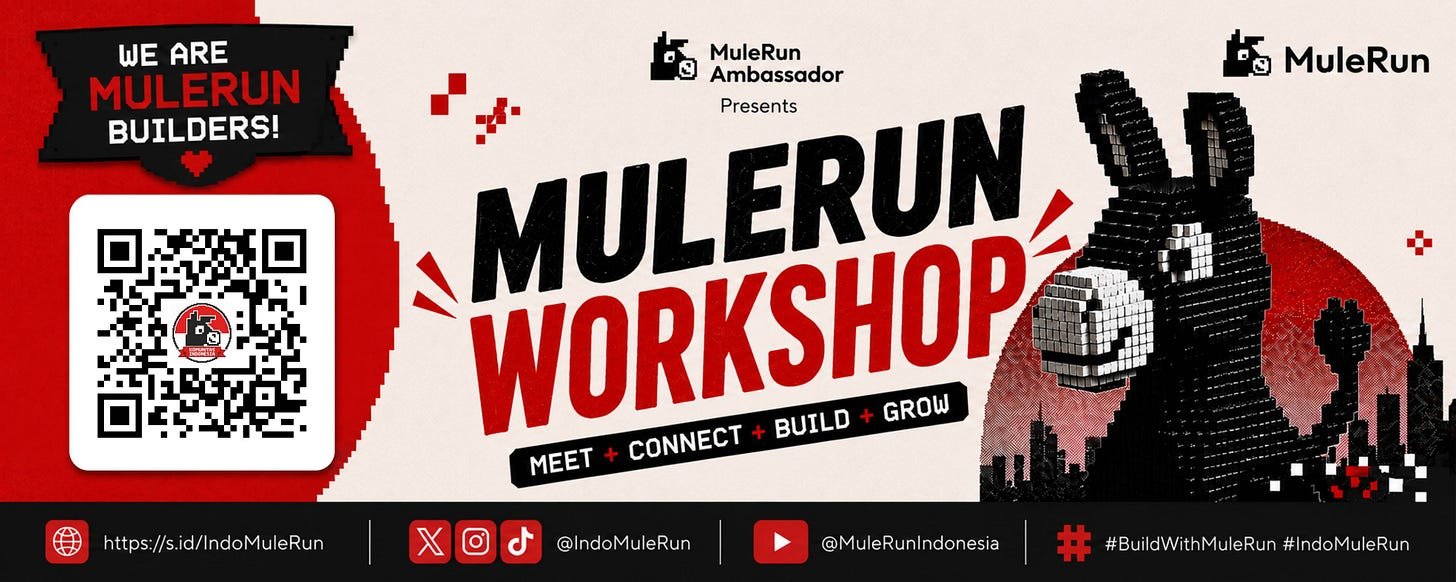
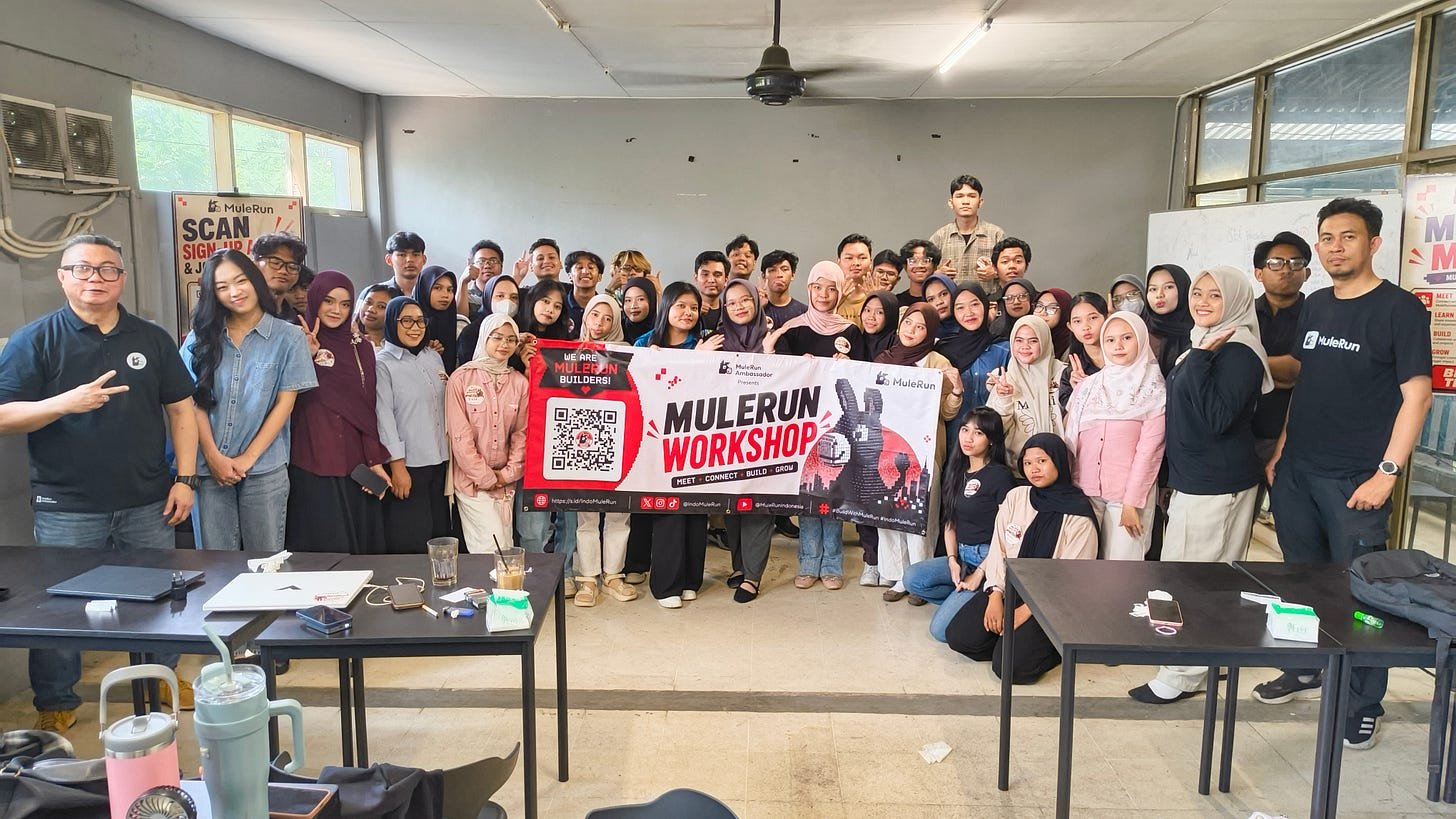
On July 6, 2026, MuleRun Community Indonesia hosted MuleRun Workshop x UBSI, a hands-on AI workshop for university students.
But this wasn’t designed to be another event where students sit for hours listening to presentations about artificial intelligence.
The goal was much simpler:
Come with an idea. Find a problem. Build something with MuleRun.
And that’s exactly what happened.
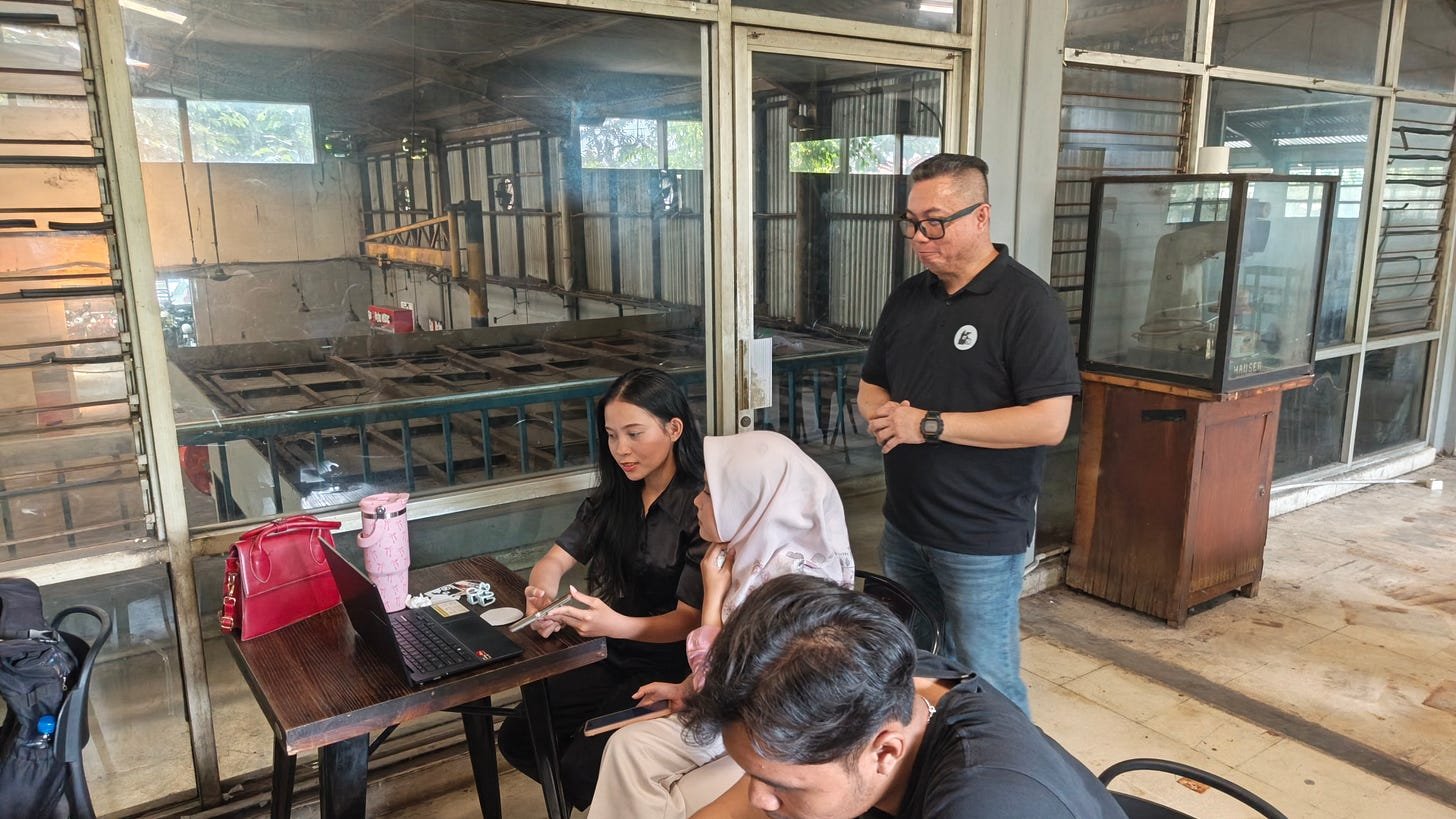
Learning AI by Actually Building
AI is often introduced through presentations, definitions, and discussions about what the technology could do.
For this workshop, we wanted students to experience something different.
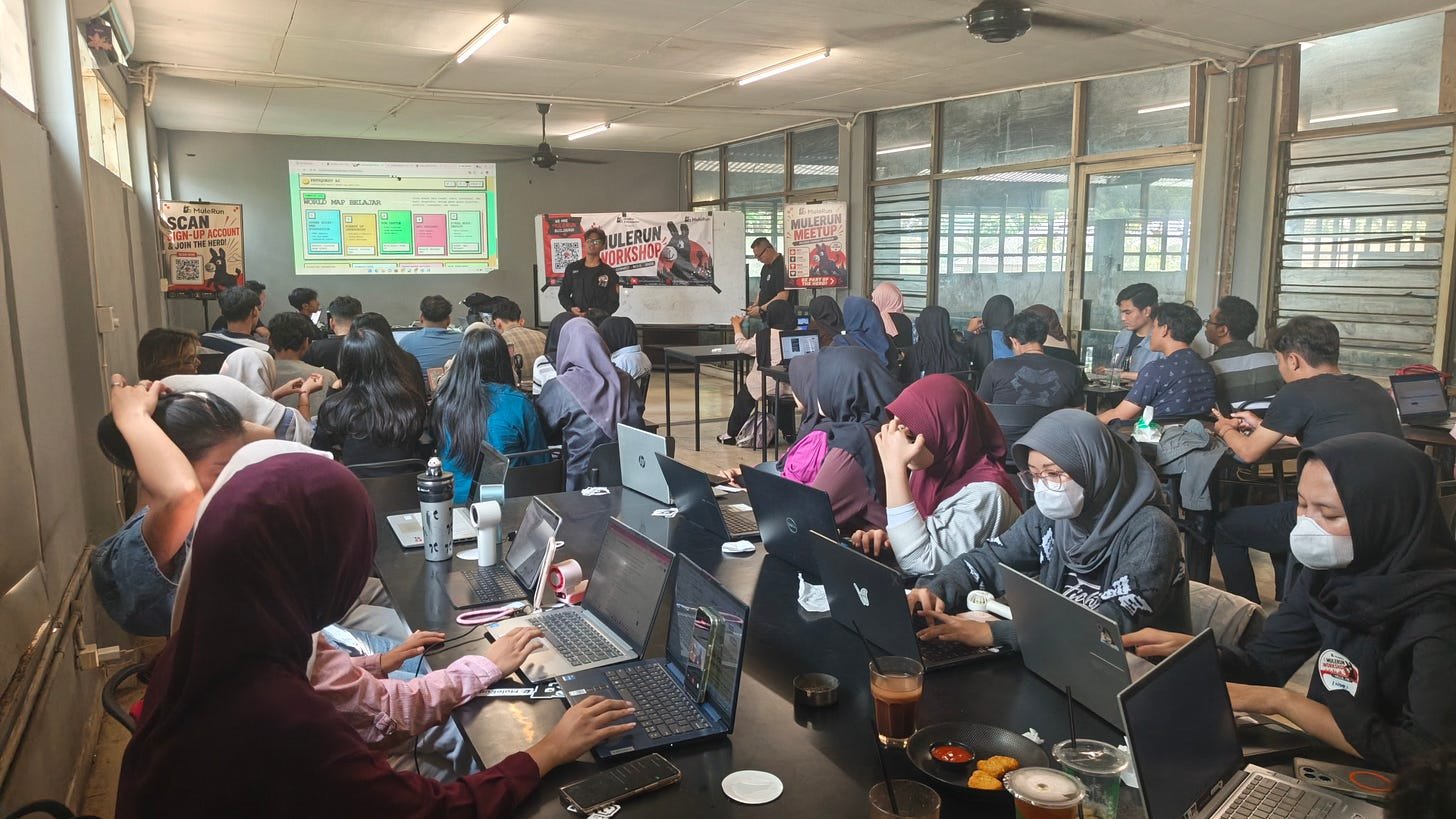
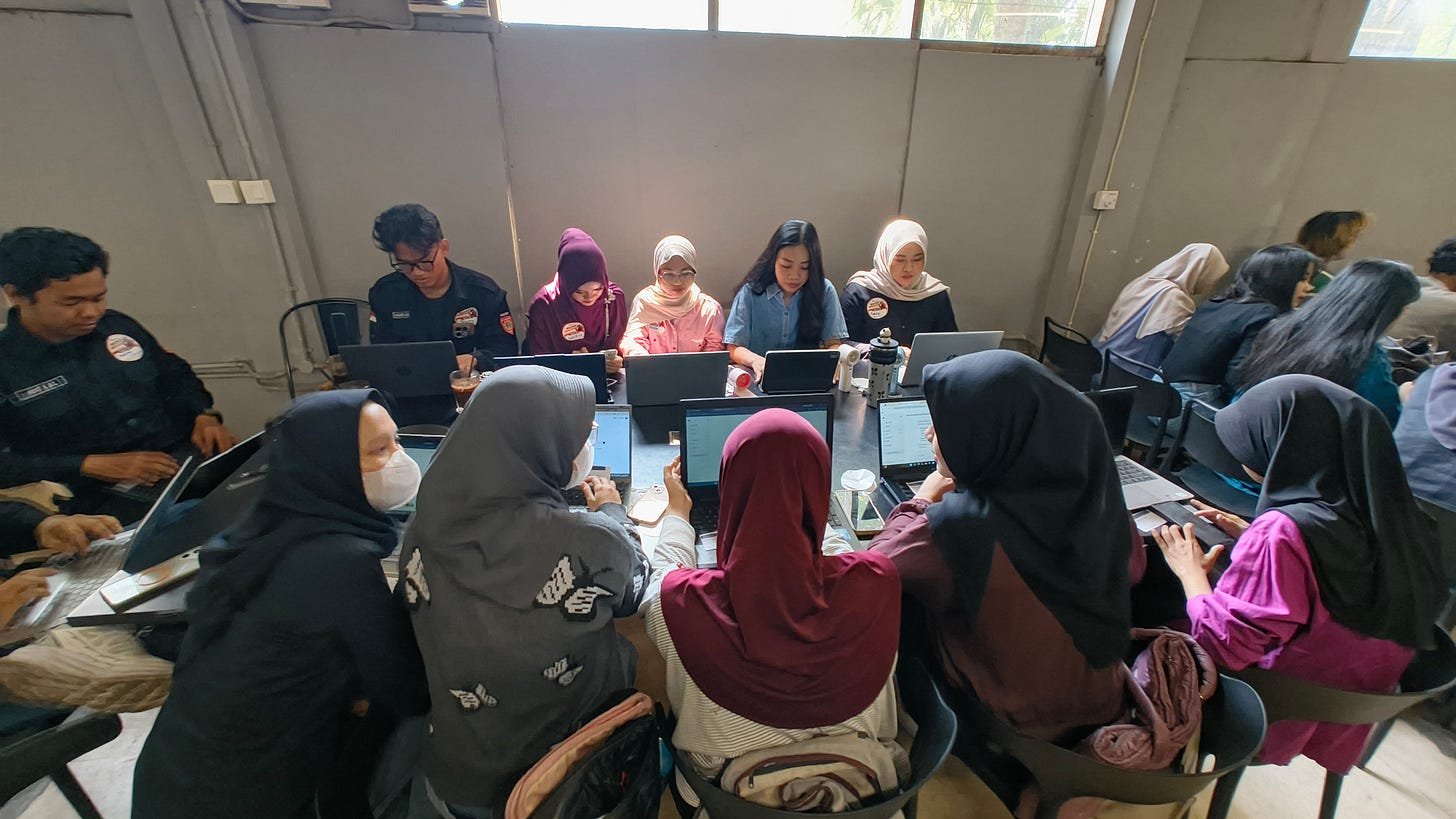
After an introduction to MuleRun and its capabilities, participants moved directly into a hands-on building session.
They explored problems they wanted to solve, developed their own application concepts, learned how to structure and refine prompts, and used MuleRun to turn those ideas into application prototypes.
There was no requirement for everyone to build the same project.
Instead, participants were encouraged to ask themselves:
“What problem do I want to solve?”
The result was an incredibly diverse collection of ideas.
49 Participants, 38 MuleRun Builds
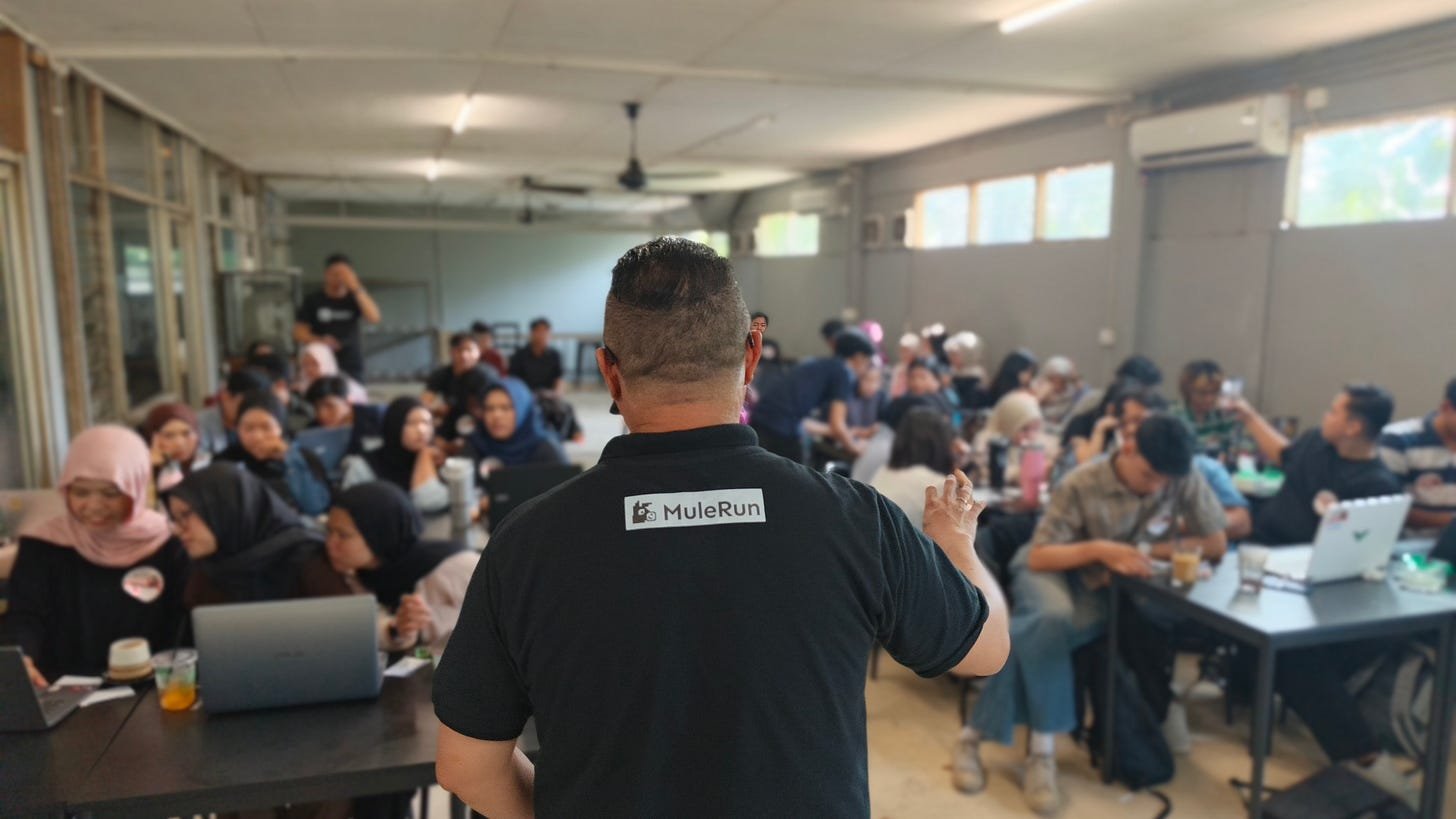
The workshop received 59 registrations, with 49 participants officially checking in for the event.
By the end of the workshop, we received 38 MuleRun build submissions.
That’s approximately a 77.6% build submission rate among checked-in participants.
More importantly, these weren’t just copies of one workshop tutorial.
Participants created applications based on their own ideas, interests, and problems.
The build submissions covered areas such as:
Student productivity and learning
Career preparation and CV development
Public speaking
Personal finance
Emergency and personal safety
Disaster response
Travel planning
Creative tools
Games
Document scanning
Health-related concepts
Community management
Small business ideas
The participant build submissions show a broad range of application concepts, from student tools and career applications to safety, disaster-response, creative, and game projects.
Some of the Ideas Built with MuleRun
One participant created SafeNest, an AI-powered personal safety application concept designed to help users during emergency situations.
Another participant built CineVision AI, a creative assistant concept for filmmakers and content creators to explore camera angles, lighting, and visual composition.
There was RuteSaku, an application designed to simplify travel planning by bringing routes, fuel efficiency, weather, accommodation, costs, and schedules into one workspace.
Disaster Intelligence AI explored how AI could support early warnings, risk analysis, evacuation routes, and disaster response.
Students also created career-focused applications such as CV Smart and CareerMate AI, public speaking tools including SpeakCoach, and a gamified learning application called PathQuest AI.
There was even MotoGuard, a motorcycle security application concept designed to notify users when their motorcycle alarm is activated.
Different students.
Different problems.
Different ideas.
One thing in common: they used MuleRun to start turning those ideas into something they could see and interact with.
What Participants Said
After the workshop, we received 42 participant feedback responses.
The response was overwhelmingly positive.
Participants frequently mentioned the hands-on practice, clear explanations, interactive delivery, and the experience of learning how AI could be used to create applications.
For many participants, one of the most interesting discoveries was realizing that AI could be used for more than asking questions or generating text.
They could use it to build.
The most common suggestion?
More time to practice.
Several participants asked for longer hands-on sessions, more use cases, and more advanced guidance for turning prototypes into more functional applications.
Internet and Wi-Fi access were also mentioned as areas we can improve for future workshops.
The feedback repeatedly highlighted hands-on practice and clear explanations, while requests for longer practice sessions and more examples appeared among the main improvement suggestions.
The People Behind the Workshop
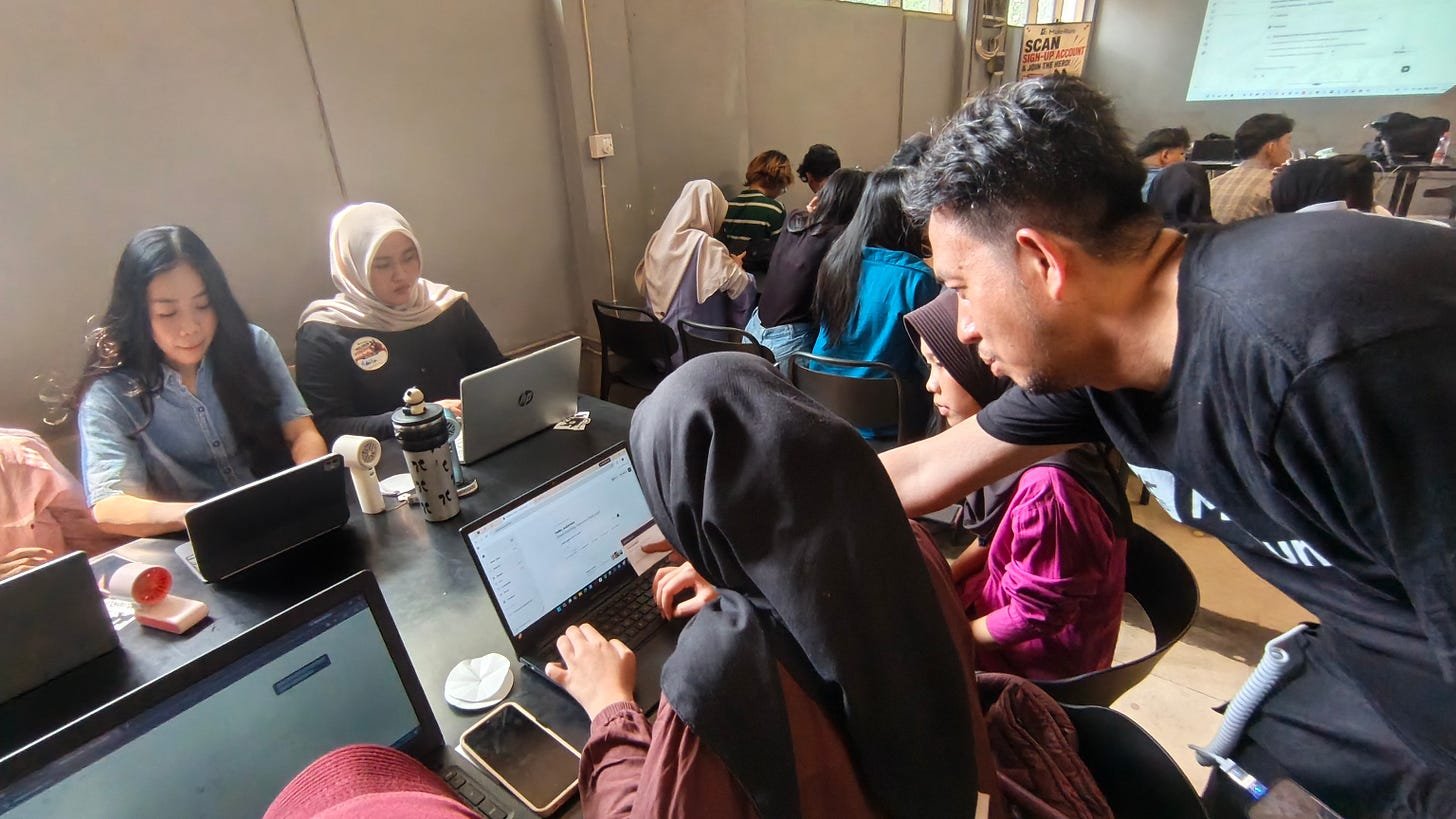
Community events don’t happen because of one person.
This workshop was possible because of the people who helped prepare, coordinate, and support participants throughout the event.
From our local team, Jemmy and Enzo helped support the workshop and event activities.
From the UBSI team, Novendry and Sultan helped coordinate and support the event on campus.
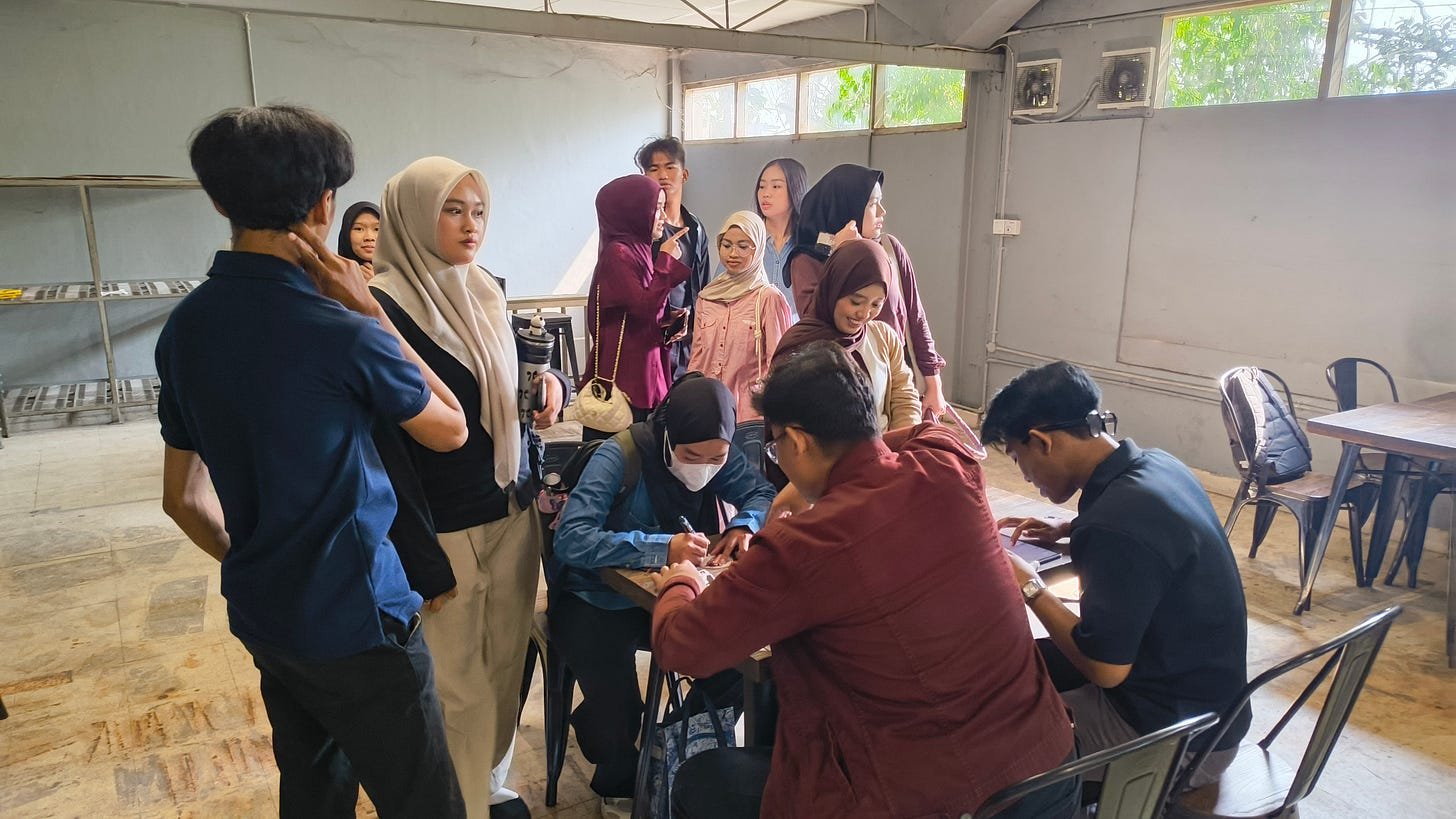
Thank you to all four of you for helping make MuleRun Workshop x UBSI happen.
And, of course, a huge thank you to every student who joined, asked questions, experimented with prompts, encountered errors, tried again, and submitted their MuleRun builds.
You were the reason we organized this workshop.
What We Learned
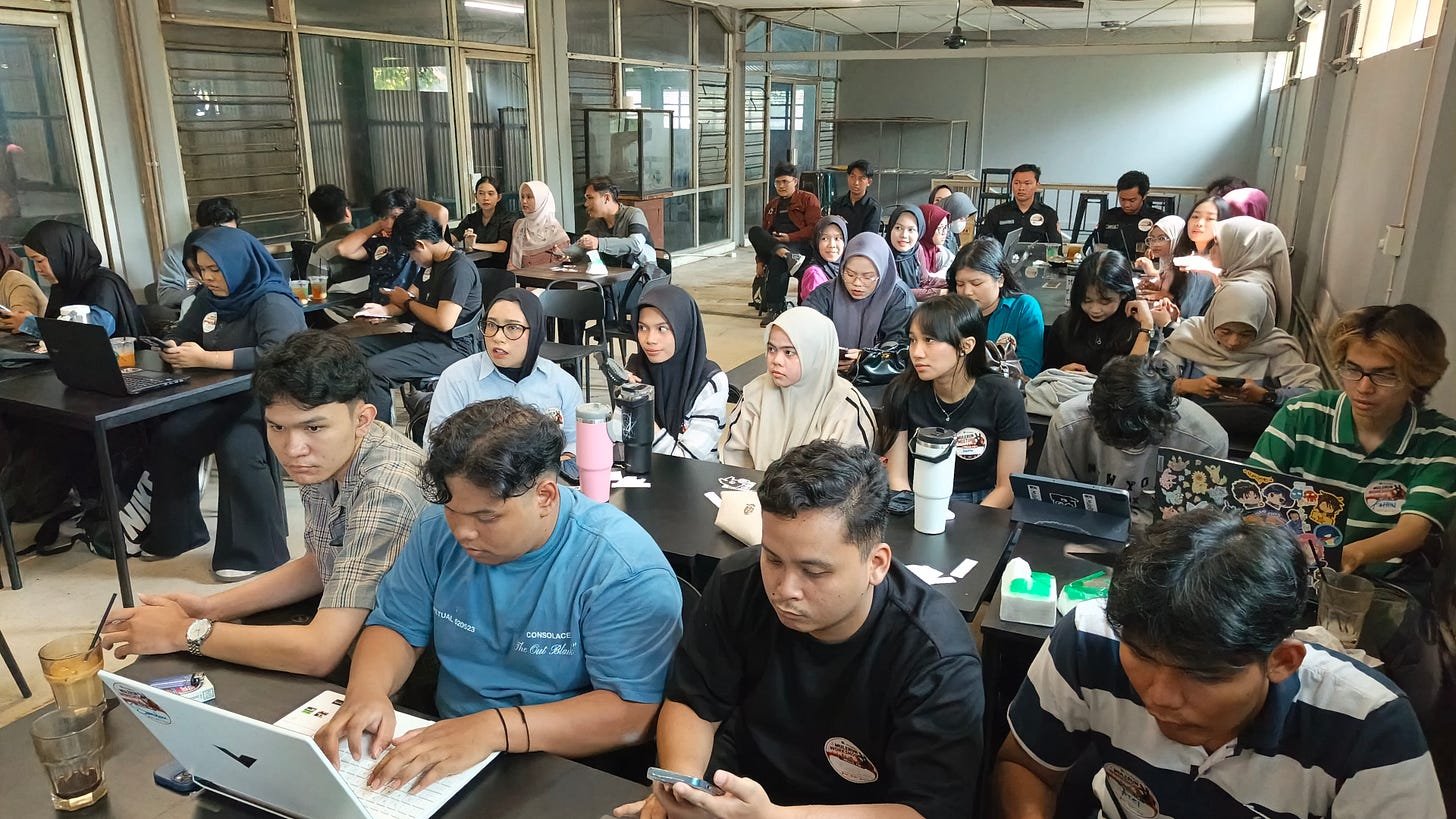
One thing became very clear during this workshop:
Students respond strongly to learning AI through building.
When participants are given the freedom to work on their own problems, the conversation changes.
Instead of asking:
“What does this AI feature do?”
They start asking:
“Can I use this to build my idea?”
That’s the kind of curiosity we want to encourage.
We also learned that future workshops need more dedicated building time.
The workshop doesn’t need to end when participants understand MuleRun.
It should give them enough time to build, test, fail, refine their prompts, and improve their projects.
What’s Next?
MuleRun Community Indonesia will continue bringing hands-on MuleRun workshops to more communities and universities.
We’re also exploring a more progressive workshop format:
Beginner Workshop → Intermediate Building Workshop → Advanced AI Worker Workshop
The goal is not only to introduce people to AI.
The goal is to help more people experience what happens when they can turn an idea into something real.
For 38 build submissions at MuleRun Workshop x UBSI, that process has already started.
Build something. Test it. Improve it.
And keep running.
MuleRun Community Indonesia
All-in-one AI Workforce
Join and follow MuleRun Community Indonesia
Originally published on Viking KARWUR on Substack.